ALEXIS4U
| GUARANTEE | SIZING | GLOSSARY | SHIPPING | PACKAGING | CURRENCY CONVERTER |
|
|
|
|||||||||||||
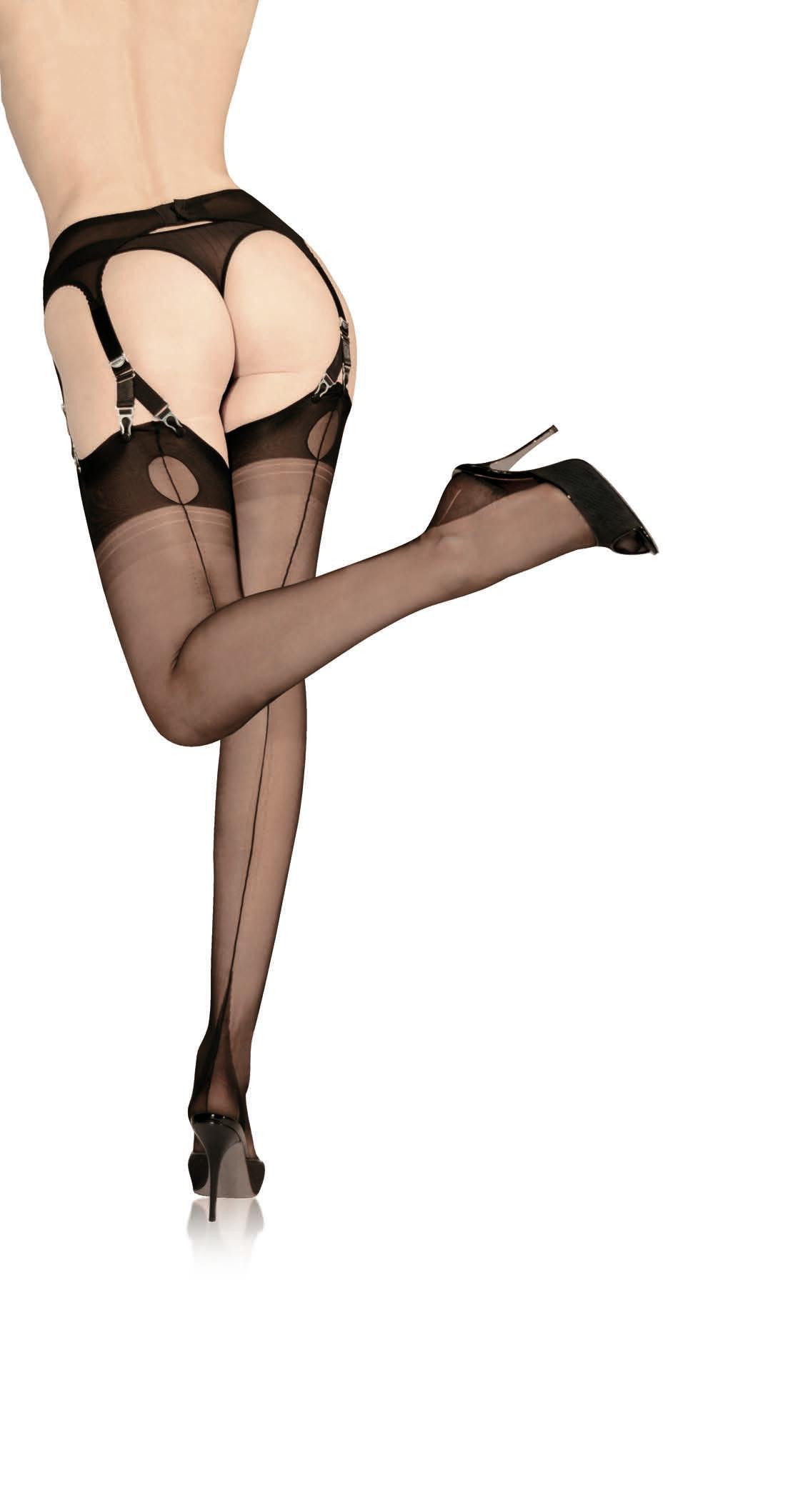
Silk Stay Up StockingsRHT These beautiful Sheer
Silk stockings are A run guard so smooth you
cannot feel it
Jet Black, Barely There and Ivory Made In France by Cervin
|
Silk Gartered StockingsRHT These beautiful Sheer
Silk stockings are A run guard so smooth you
cannot feel it
Jet Black, Suntan and Gray (Grey available in size 1 and 4 only) Made In France by Cervin |
||||||||||||||||||||||||||||||||||||||||||||||||||||||||||||||||||||||||||||||||||||||||||||||||||||||||||||||||||||||||||||||||||||||||||||||||
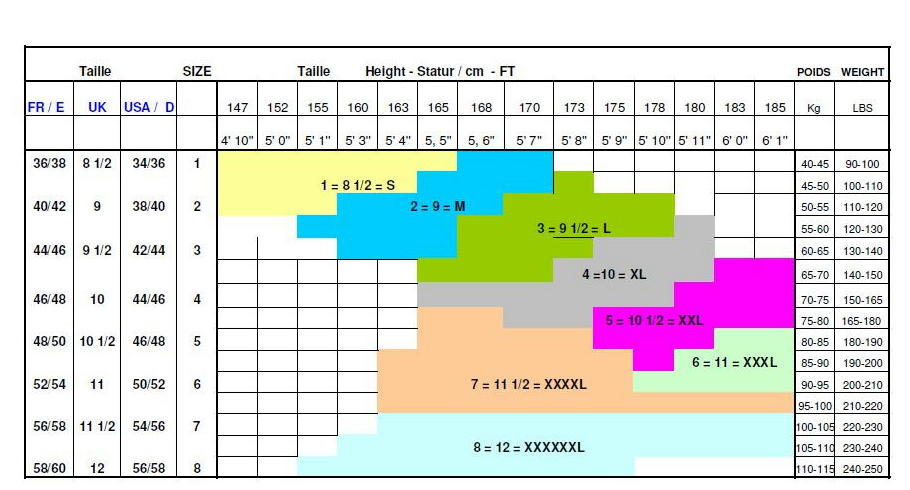
Size chart is a reference as it can not allow for: Length of leg, Width of Thigh, Width of Calf, Length of foot and Width of foot
|
|||||||||||||||||||||||||||||||||||||||||||||||||||||||||||||||||||||||||||||||||||||||||||||||||||||||||||||||||||||||||||||||||||||||||||||||||
Silk Stockings
Production
of Silk
LIFE OF THE SILK WORM
The production of silk is a lengthy process, from the birth of the silk worm to
the retrieval of the silk from the cocoon. The text below gives a brief
insight as to what is a basic example of how silk is produced to enable the
manufacturing the stunning pure silk stockings.
The "Bombyx Mori" is the species of silk worm which produces the
majority of silk for knitting and weaving. It is the white Mulberry which
provides the silk worm the raw material in which to produce the silk. When the
mulberry begins to bud, the eggs of last years silk moths, which have been
hibernated during the winter months are brought into the mulberry districts and
slowly warmed. Warming is often achieved by ladies carrying small packets of
eggs about their persons, but a stove lamp is often used as a modern
alternative. A graduate advance in temperature from 10º to 24ºC over a period
of 10 to 14 days is required to effect a uniform hatching. The eggs are little
larger than a pin head when the caterpillar emerges, but feeding constantly on
the mulberry leaf, it out grows its skin 4 times in as many weeks. After the
fourth and last molt, the worm continues to eat and becomes quite ugly and fat
between 7 and 10 centimeters long. In this last stage it will actually consume
about 4 times the weight of leaf he has consumed to date, so some 36000 worms
hatched from an ounce of eggs, which should eventually produce at least 5.5Kg of
raw silk and eat as much as a ton of foliage, one acre may produce 3 to 4 tons
of leaf for a return of 22.5Kg of raw silk. When the worm stops eating, it looks
for a location to build it's cocoon, twigs or straw are provided and soon he
will begin to produce a filament silk in to a cocoon, working until he is
wrapped inside, to later emerge as a moth. To produce silk, this process has to
be interrupted, as the birth of a moth causes destruction of the cocoon, as it
secretes brown gum to dissolve the cocoon. So before the emergence of the moth
the chrysalis is put to sleep by exposure to the sun, or hot air, but this
process makes it increasingly difficult to unwind the cocoon filament in the
process known as reeling.
REELING
Through two glands in it's head the silk worm emits the filament silk know as a
"bave" the reeling process consists in finding the end of this bave,
unraveling it and winding it in to a hank. Raw silk is quite a gummy/sticky
substance, so before separating the filaments the cocoons must be softened by
immersion in hot water to loosen the gum. The cocoons are placed together in a
basin of near boiling water, which starts to dissolve the gum,
once the gum is dissolving the cocoon filaments adhere to a small brush or rod
which rotates the water. The outside layer of the cocoon is thrown away as
imperfect after sticking to the rod, these discarded portions are known as
"knubbs". Now the cocoons are ready for reeling, the size or denier of
a single cocoon being too fine to be of any commercial use, it must be decided
how many cocoons need to be reeled to make one single yarn. When these filaments
are boiled and reeled together in one single process the naked eye will not be
able to determine that this single thread is actually made of many filaments. To
ensure uniformity, the threads are run through a systems of pulleys to
make for example a yarn of 3 denier, 7 cocoons are run through the reeling
system at once.
Article Copyright © 2002 Belle Hosiery